
Industrial Abrasive Wheel Buying Checklist
Abrasive wheel procurement checklist for industrial buyers: specification, EN 12413 compliance, documentation, supply terms and cost-per-cut evaluation.
Cutting Disc Thickness: Thin vs Standard Wheels
Cutting disc thickness explained: when to use 1 mm, 1.6 mm, 2.5 mm or 3 mm cut-off wheels, effect on heat, kerf, wheel life and cutting speed.
Cutting Wheel Safety: What Industrial Operators Need to Know
Abrasive cutting wheel safety guide: pre-use inspection, speed checks, guarding, mounting, PPE, side-loading and storage rules for industrial operators.
Rail Cutting Wheels: Selection and Application Guide
How to select rail cutting wheels for railway track work: rail steel hardness, wheel diameter and thickness, machine matching, RDSO approval and safety checks.
INOX Cutting Wheels: Why Stainless Steel Needs the Right Disc
What INOX means on a cutting disc, why free-iron contamination causes rust staining on stainless steel, and how to choose and use a stainless cutting wheel.
How to Read Abrasive Wheel Markings
Abrasive wheel markings explained: shape type, abrasive grain, grit size, grade, structure and bond code, plus the EN 12413 mandatory safety markings.
Abrasive Wheel Speed: How to Check RPM and Peripheral Speed
How to calculate abrasive wheel peripheral speed and maximum safe RPM. Formula, EN 12413 speed conversion table by wheel diameter, and pre-use checks.
Grinding Wheel vs Cutting Wheel: What Is the Difference?
Grinding wheel vs cutting wheel: thickness, shape type, loading direction and safe use explained for fabricators. Type 27 vs Type 41 vs Type 42 compared.

How to Choose the Right Grinding Wheel for Stainless Steel
A comprehensive guide on selecting the best grinding wheel for INOX and stainless steel applications without causing contamination or discoloration.
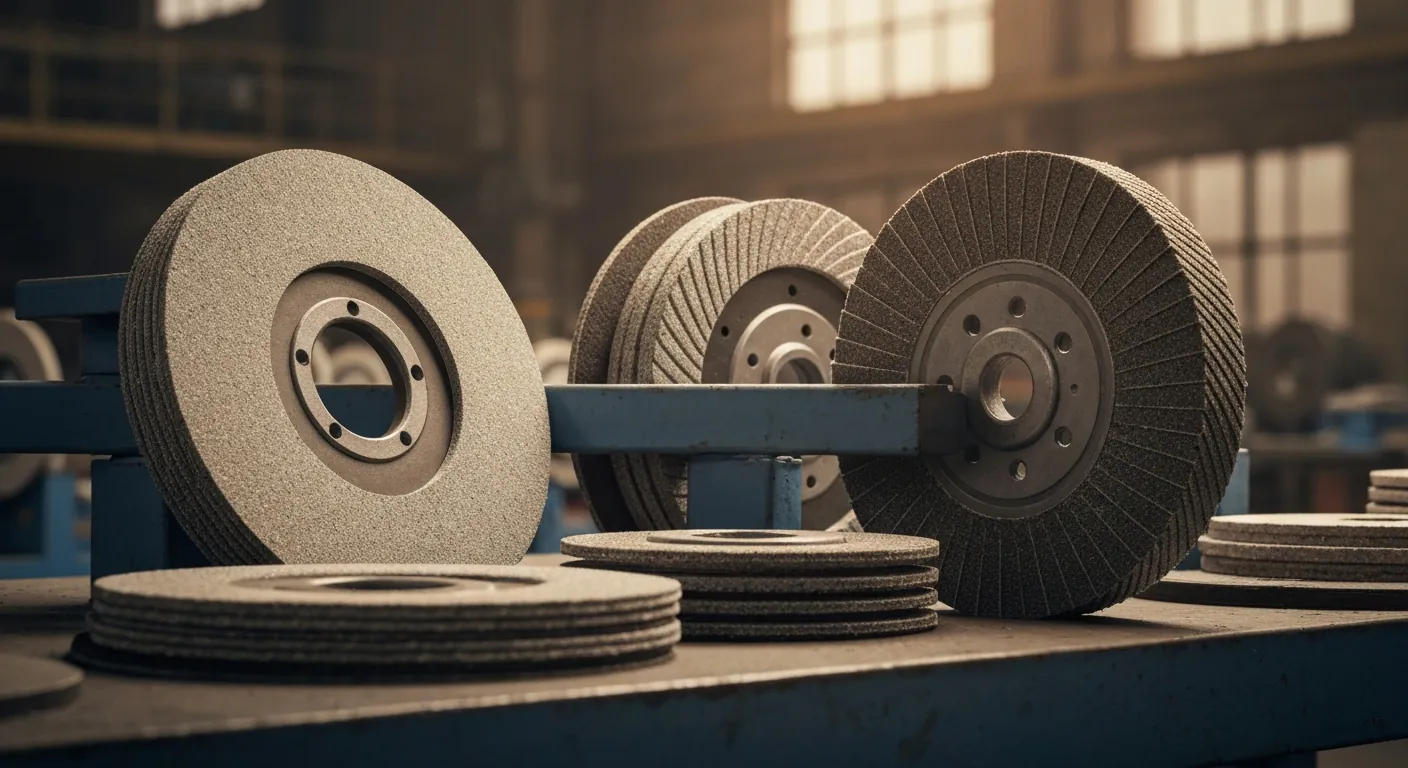
Handling and Storing Abrasive Wheels
Improper storage can ruin an abrasive wheel before it is even mounted. Follow these industry standards for storage.

The Role of Fiberglass Reinforcement in Abrasives
Why are modern abrasive wheels reinforced with fiberglass mesh? Understanding the structural integrity of grinding wheels.

Apidor: A Legacy of Quality Manufacturing
Discover the manufacturing excellence behind Apidor abrasive products, proudly supplied by Pooja Abrasives.
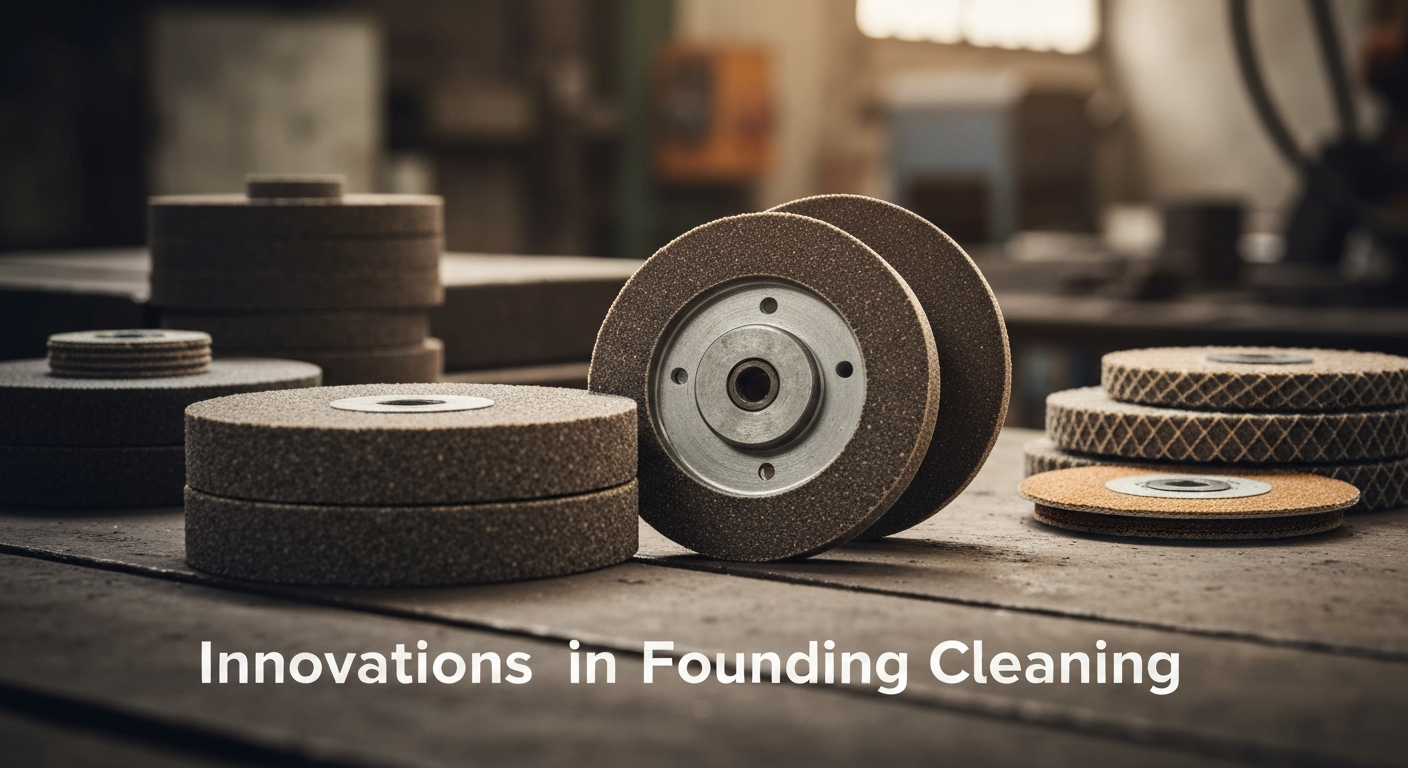
Innovations in Foundry Casting Cleaning
Explore how advanced abrasive formulations are speeding up the removal of flash, gates, and risers in foundry operations.
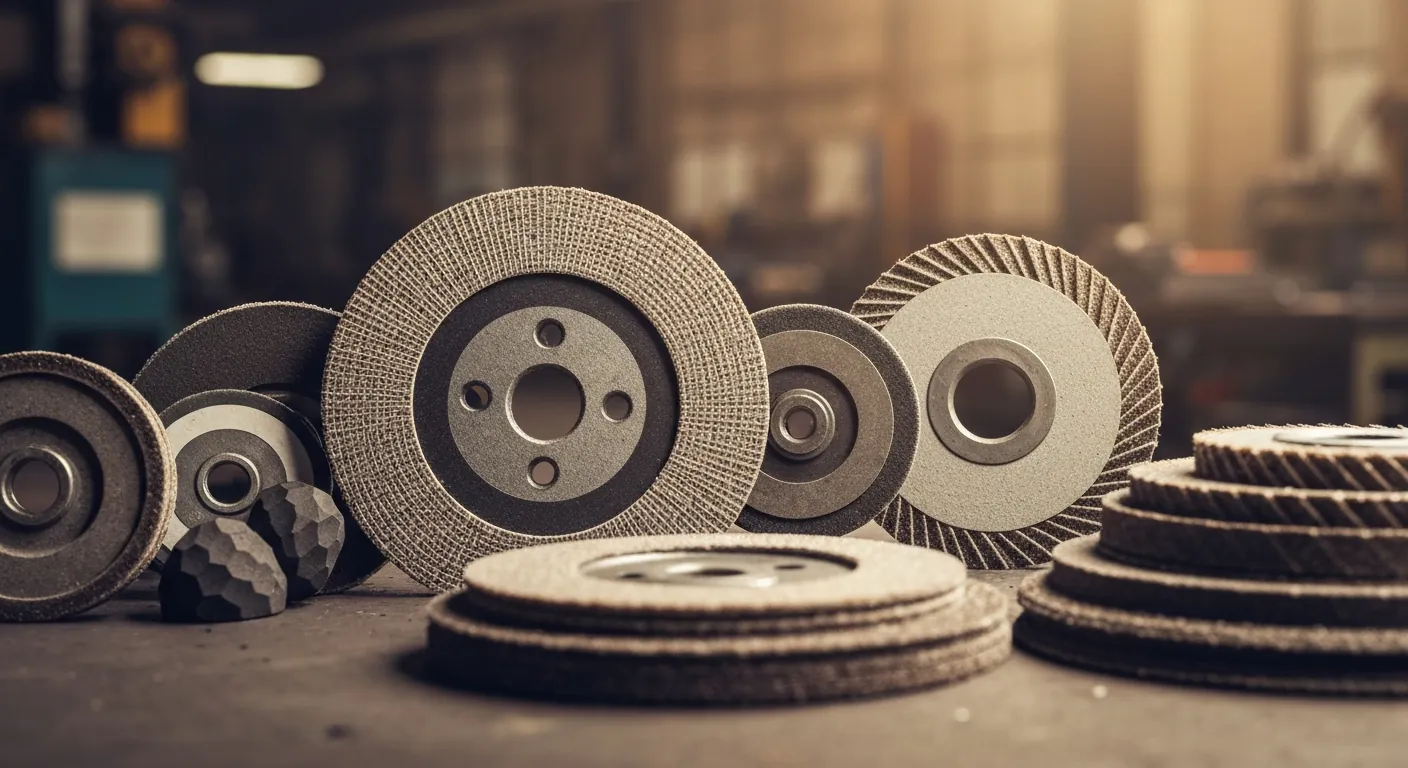
Flap Discs vs. Grinding Wheels
When should you use a flap disc instead of a bonded grinding wheel? Compare the pros and cons of each abrasive type.

Cutting Reinforced Concrete Railway Sleepers
The technical challenges of cutting railway sleepers, which contain both abrasive concrete and tough high-tensile steel.
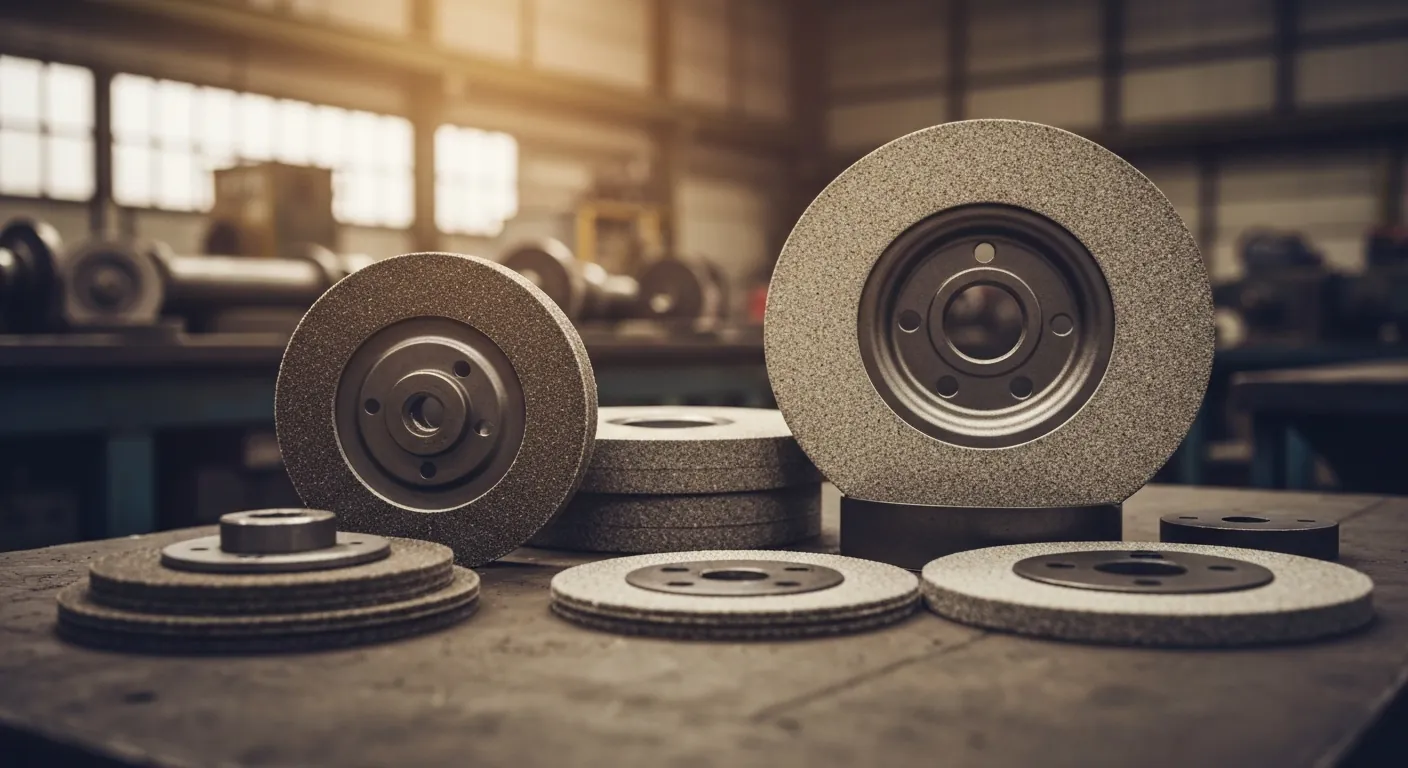
Introduction to Farros Blatter Wheels
Learn about Farros Blatter specialty wheels used for back gouging and weld preparation in the pressure vessel industry.

The Importance of RDSO Approval in Railway Abrasives
Discover why RDSO certification is critical for rail cutting wheels used in Indian Railways track maintenance.

How to Prevent Wheel Glazing
Wheel glazing slows down production and burns the workpiece. Learn why it happens and how to fix it.

Zirconia vs. Aluminum Oxide: Which is Better?
Compare Zirconia Alumina and Aluminum Oxide abrasive grains to determine which is best for your metal fabrication application.
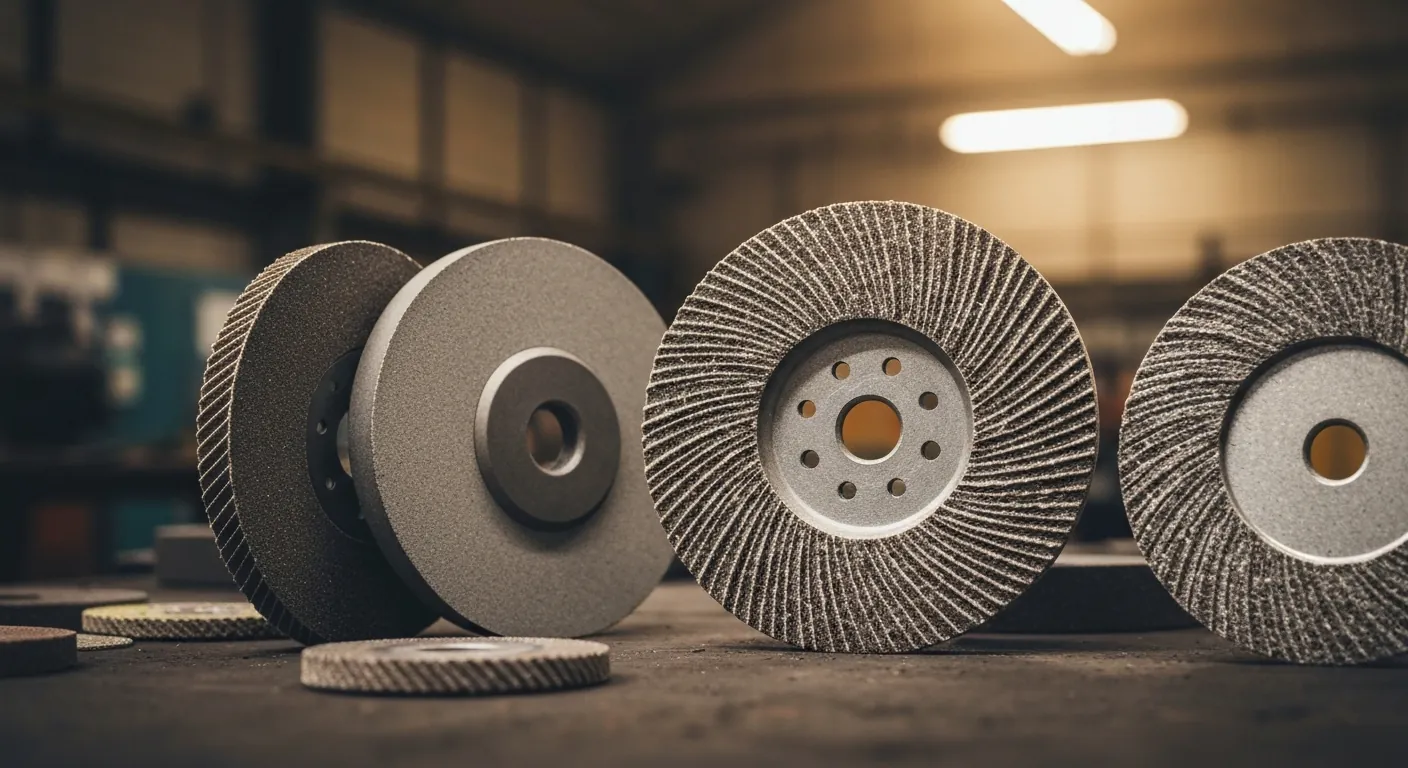
Maximizing Cut-Off Wheel Lifespan
Tips and best practices to get the most cuts out of your reinforced cut-off wheels. Save costs and improve efficiency.
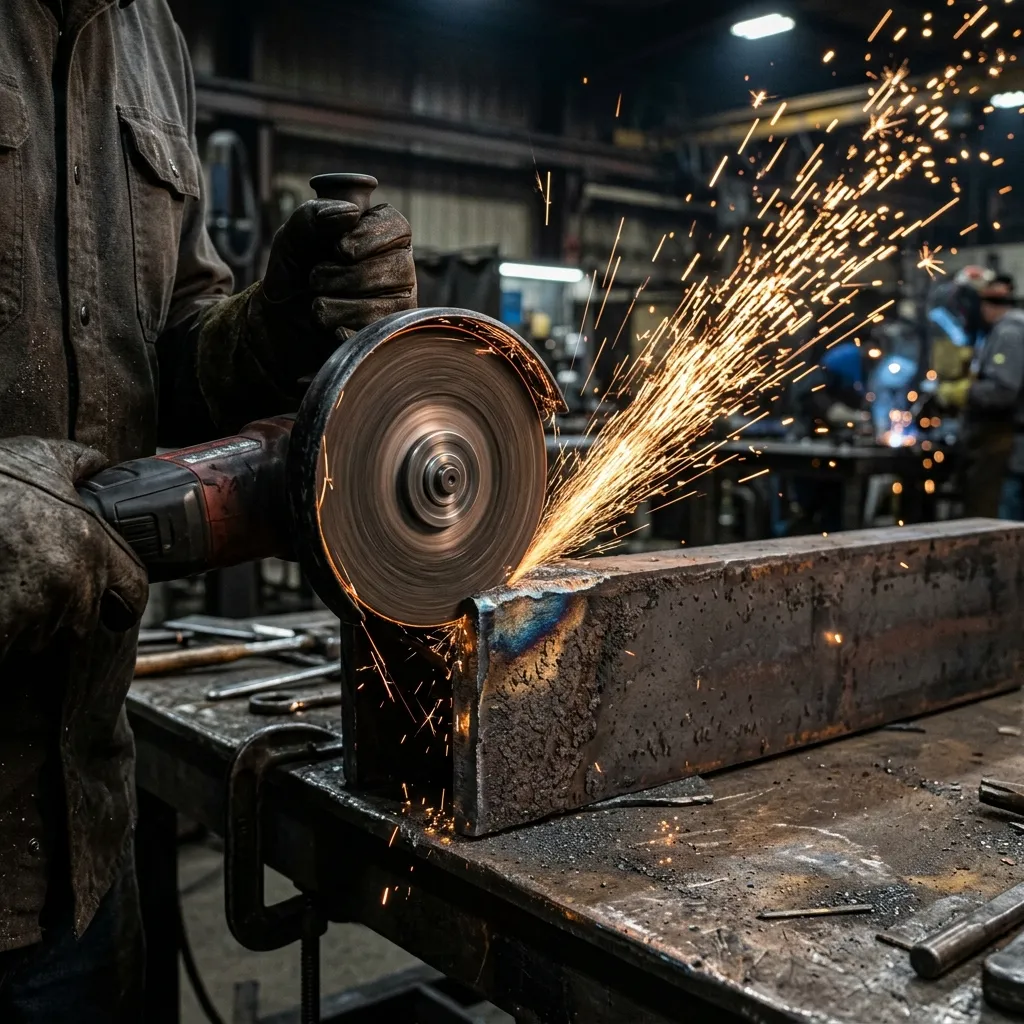
How to Select the Right Grinding Wheel for Steel Fabrication
Technical guide on grinding wheel selection for steel fabrication - abrasive type, grit, bond grade, and application mapping for mild steel, stainless, and cast iron.
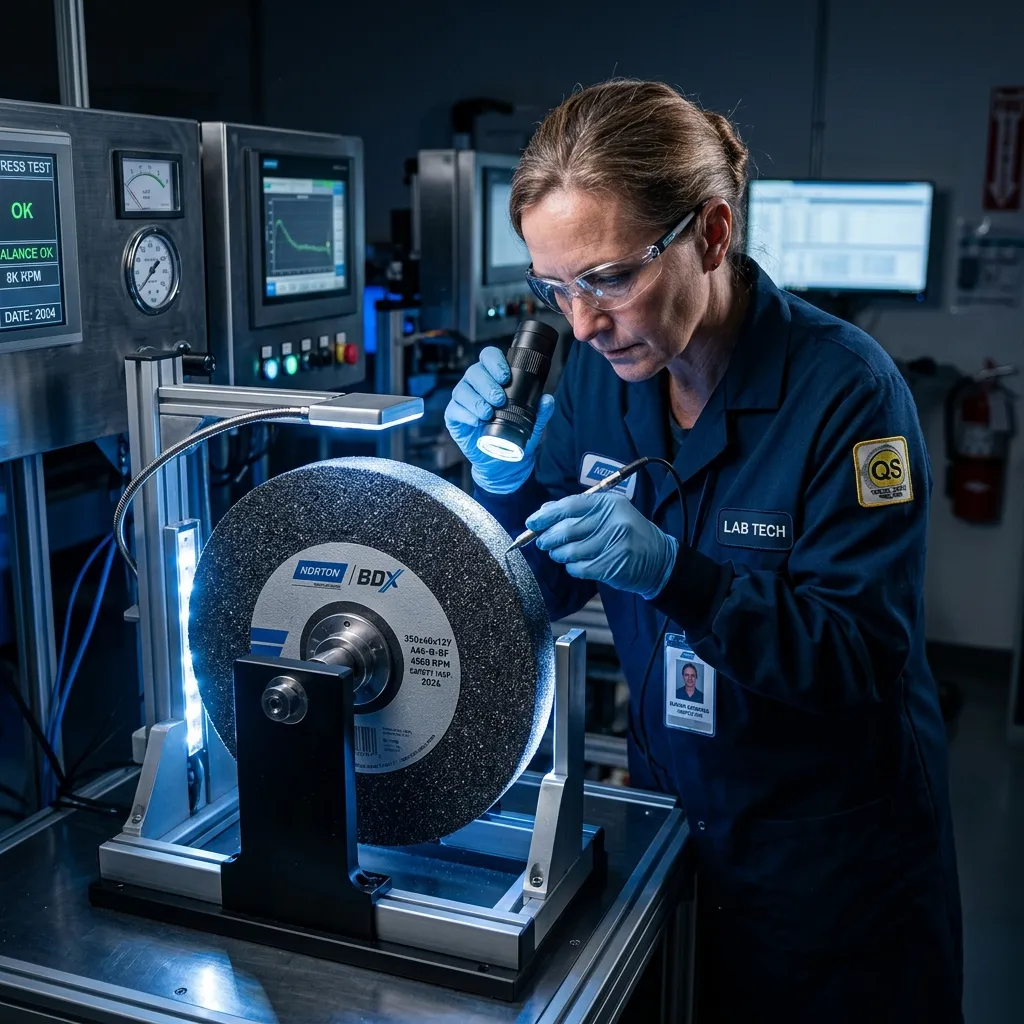
EN 12413 Certification: What It Means for Industrial Buyers
EN 12413 is the European safety standard for bonded abrasive products. Learn what it covers, why it matters for procurement, and how to verify compliance.
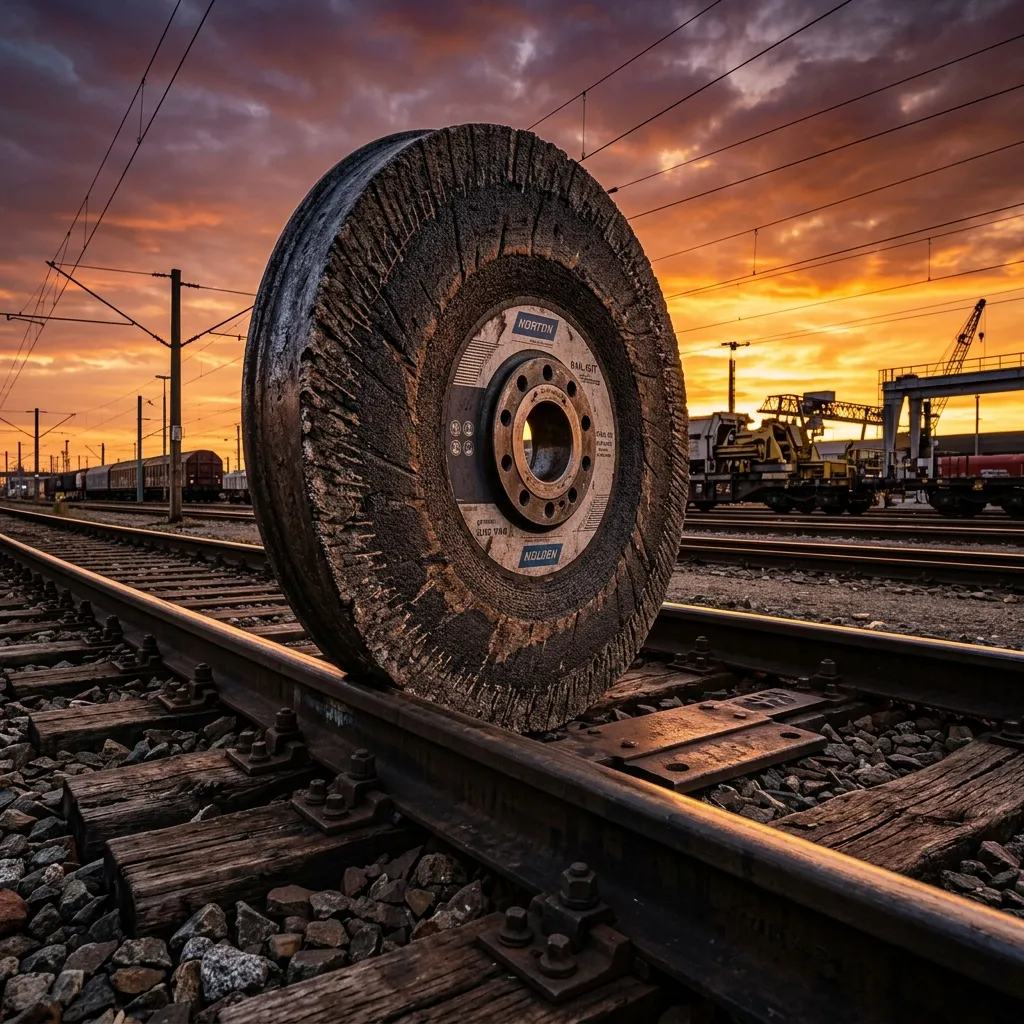
RDSO Certified Rail Cutting Wheels: Complete Specification Guide
Complete guide to RDSO certified rail cutting wheels - specifications, testing requirements, 710mm sleeper wheels, and procurement process for Indian Railways contractors.
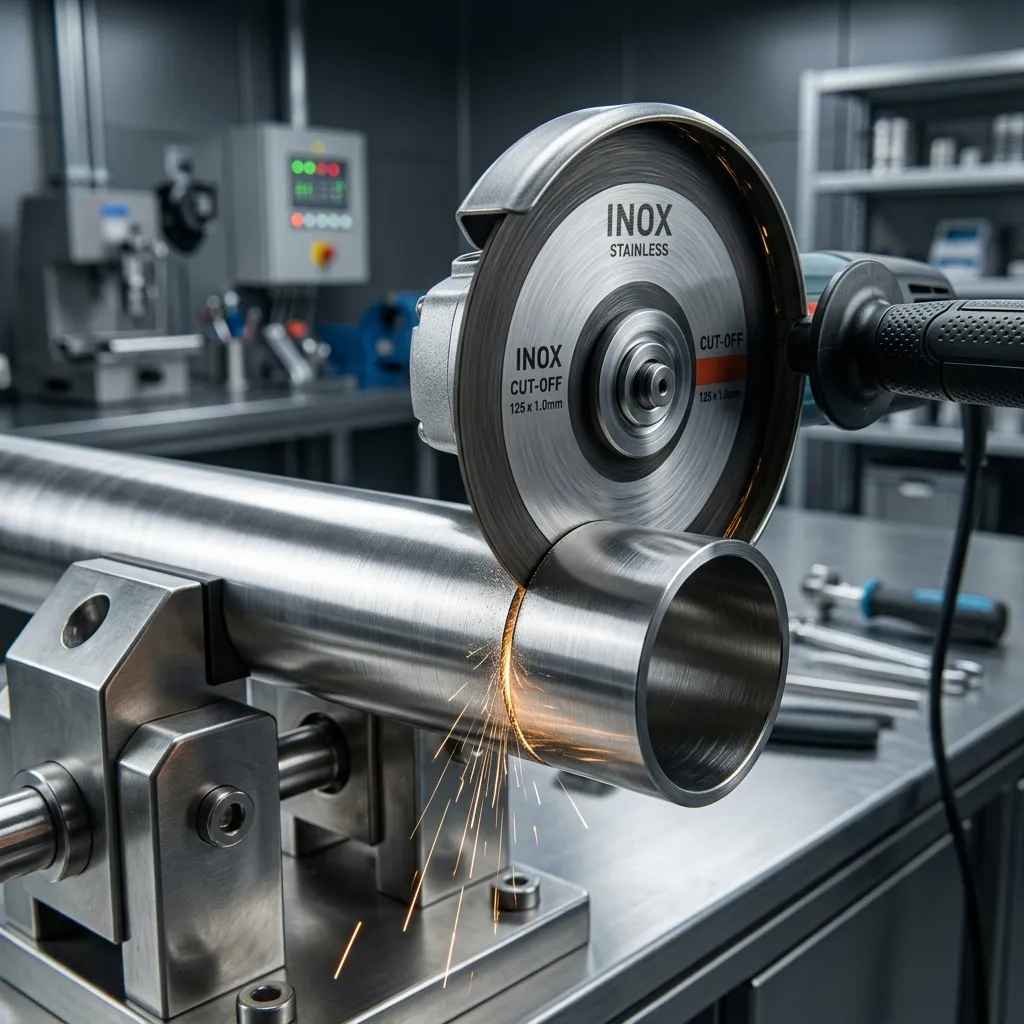
Ultra Thin INOX Wheels: The Right Way to Cut Stainless Steel
Guide to ultra-thin INOX cutting wheels for contamination-free stainless steel cutting - why iron-free formulations matter, specifications, and cutting technique.
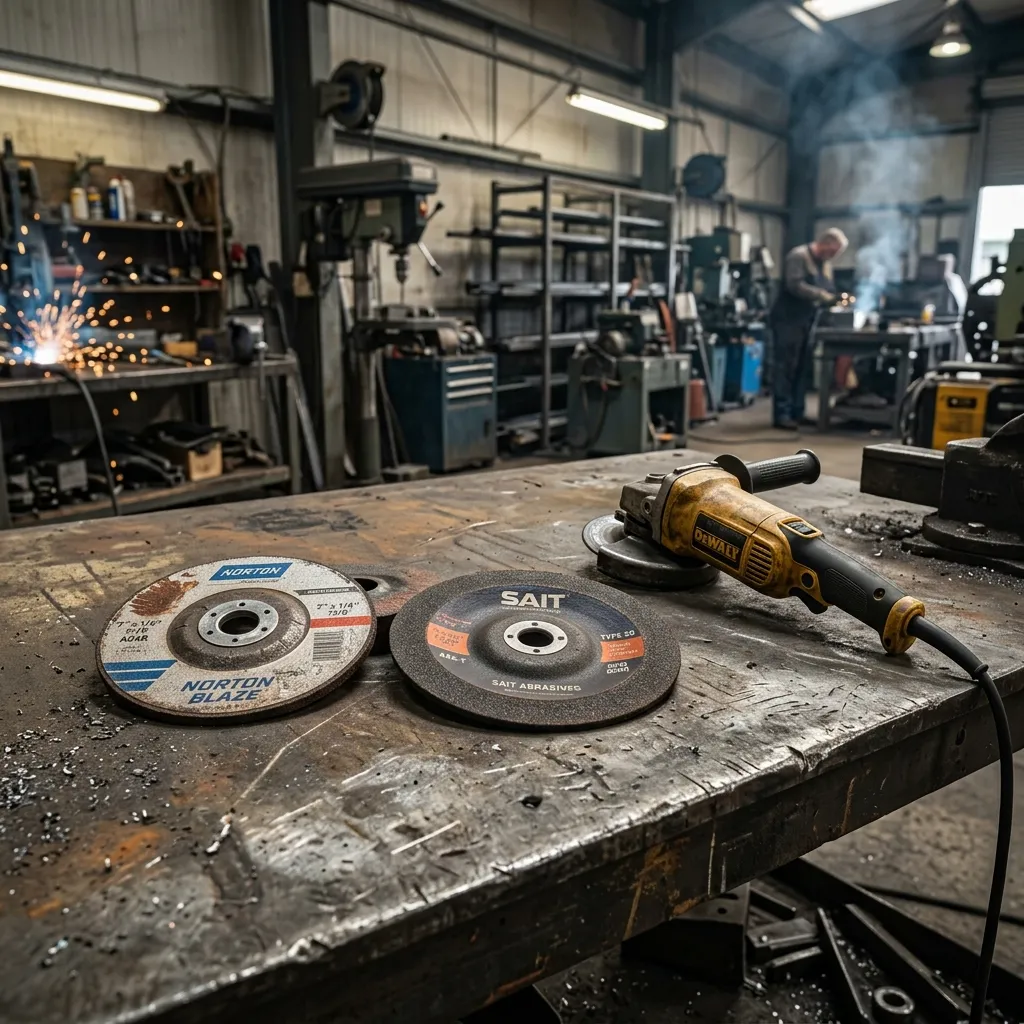
Type 27 vs Type 28 Depressed Centre Wheels: When to Use Which
Technical comparison of Type 27 and Type 28 depressed centre wheels - geometry differences, performance, and application guide for steel fabrication and foundry work.
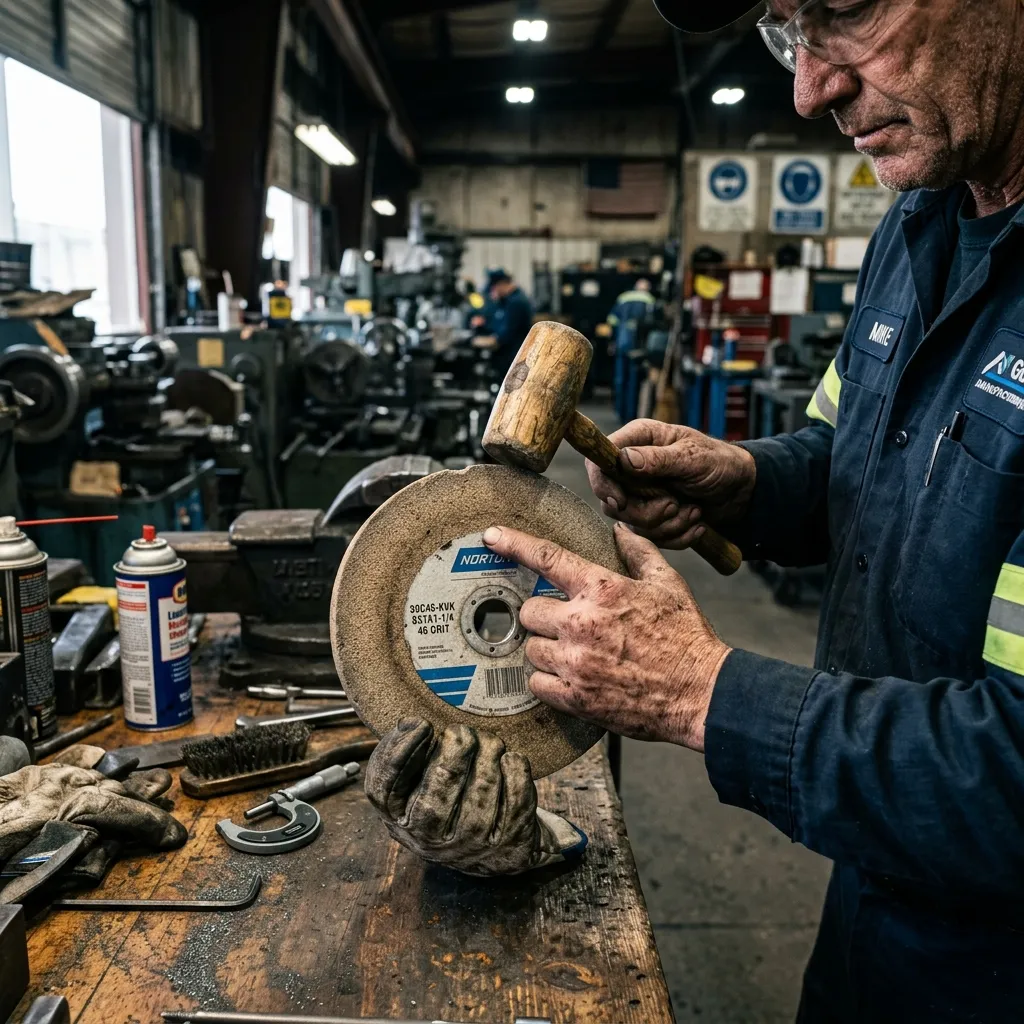
Abrasive Wheel Safety Inspection: Before Every Use Checklist
Complete pre-use inspection checklist for abrasive grinding and cutting wheels - visual check, ring test, and machine compatibility verification per EN 12413 safety requirements.